Case Study: Successful Clean Energy Projects in Western Australia


Introduction to Clean Energy in Western Australia
Western Australia has become a beacon for sustainable energy practices, leading the way with innovative clean energy projects. The region’s commitment to reducing carbon emissions and promoting renewable energy sources has resulted in several successful initiatives that are both economically and environmentally beneficial.
These projects are not only reshaping the energy landscape in Western Australia but are also setting benchmarks for similar initiatives worldwide. Let’s explore some of these impactful projects and understand their significance.

Solar Power Initiatives
Large-Scale Solar Farms
One of the most noteworthy advancements in Western Australia is the development of large-scale solar farms. These farms harness the abundant sunlight available in the region, converting it into substantial amounts of electricity. This clean energy source is crucial for reducing reliance on fossil fuels.
The expansion of solar farms has provided a significant boost to the local economy, creating jobs and fostering innovation in renewable energy technologies. The success of these projects highlights the potential for solar energy to become a cornerstone of sustainable development in the area.
Wind Energy Projects
Harnessing Coastal Winds
Western Australia's coastline offers ideal conditions for wind energy projects, with consistent wind patterns providing a reliable source of power. The construction of wind farms along the coast has been instrumental in increasing the share of renewables in the energy grid.
These wind farms not only produce clean energy but also help in preserving natural habitats by minimizing environmental disruptions. The projects have been carefully designed to balance energy production with ecological conservation.

Hybrid Energy Solutions
Combining Solar and Wind
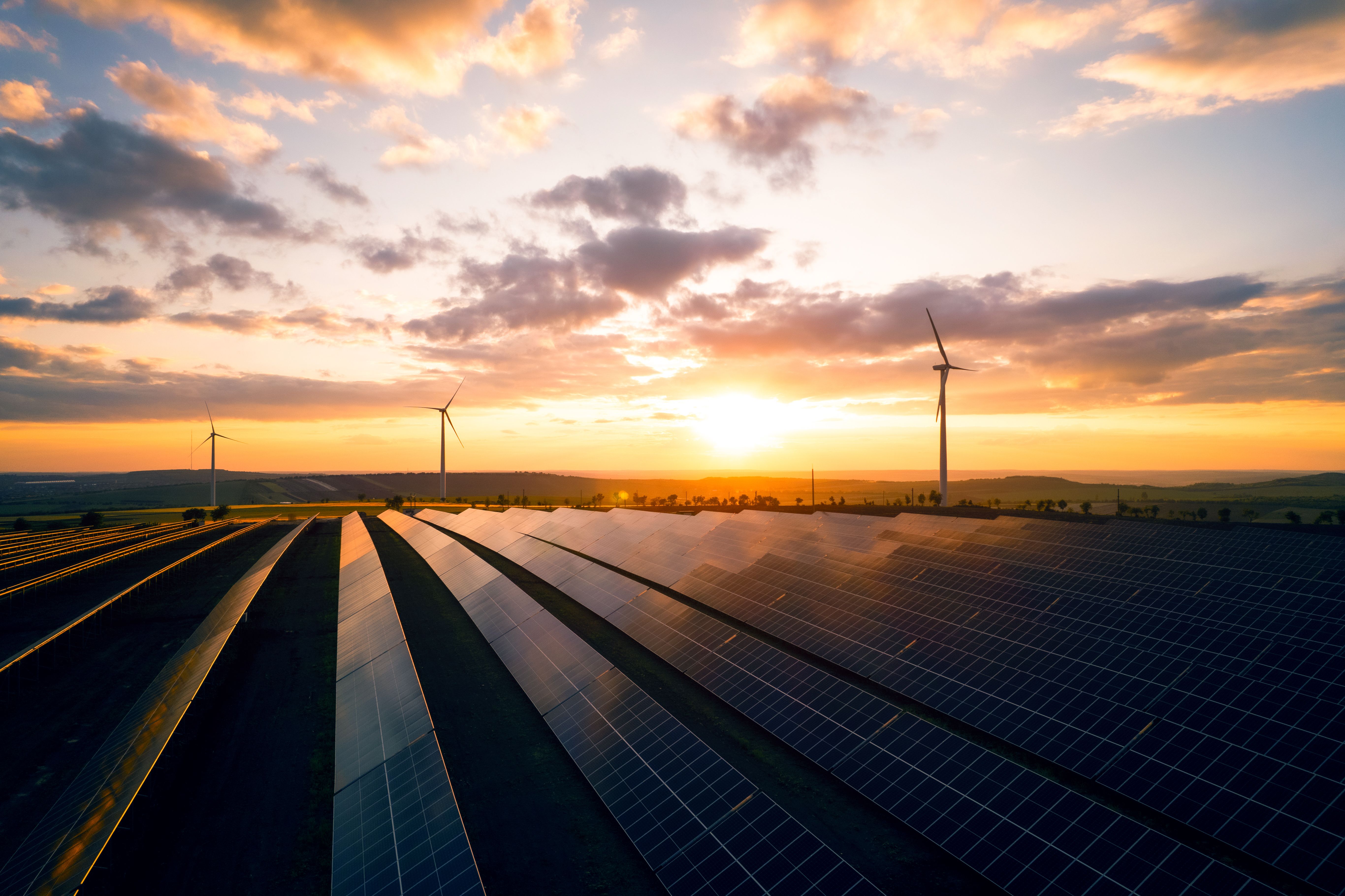
Hybrid energy solutions are gaining popularity in Western Australia, combining solar and wind power to ensure a steady supply of renewable energy. These projects are particularly effective in remote areas where traditional energy infrastructure is lacking.
By integrating different renewable sources, hybrid systems can offer more consistent energy output, reducing the need for backup from non-renewable sources. This approach is a testament to the innovative strategies being employed to maximize clean energy potential.
Community Involvement
Local Engagement and Benefits
The success of these clean energy projects is also attributed to strong community involvement. Local communities have been actively engaged in the planning and implementation stages, ensuring that their needs and concerns are addressed.
This engagement has resulted in widespread support for renewable energy initiatives, with many communities reaping direct benefits such as lower energy costs and enhanced local infrastructure. The collaborative approach has strengthened the relationship between energy providers and residents.

Conclusion
Western Australia's clean energy projects are exemplary models of how renewable energy can be effectively integrated into regional energy strategies. These initiatives demonstrate the feasibility and benefits of transitioning to sustainable energy sources.
As the world continues to grapple with climate change, the lessons learned from Western Australia’s successful projects can inspire and guide global efforts in clean energy development. The continued investment and innovation in this field promise a brighter, greener future for all.