Comparing Clean Energy Solutions: Solar vs. Wind Power


Introduction to Clean Energy
As the world shifts towards sustainability, clean energy solutions like solar and wind power have gained significant attention. These renewable sources offer a way to reduce carbon footprints and combat climate change. However, deciding between them can be challenging, as both have unique benefits and limitations.
Solar Power
How It Works
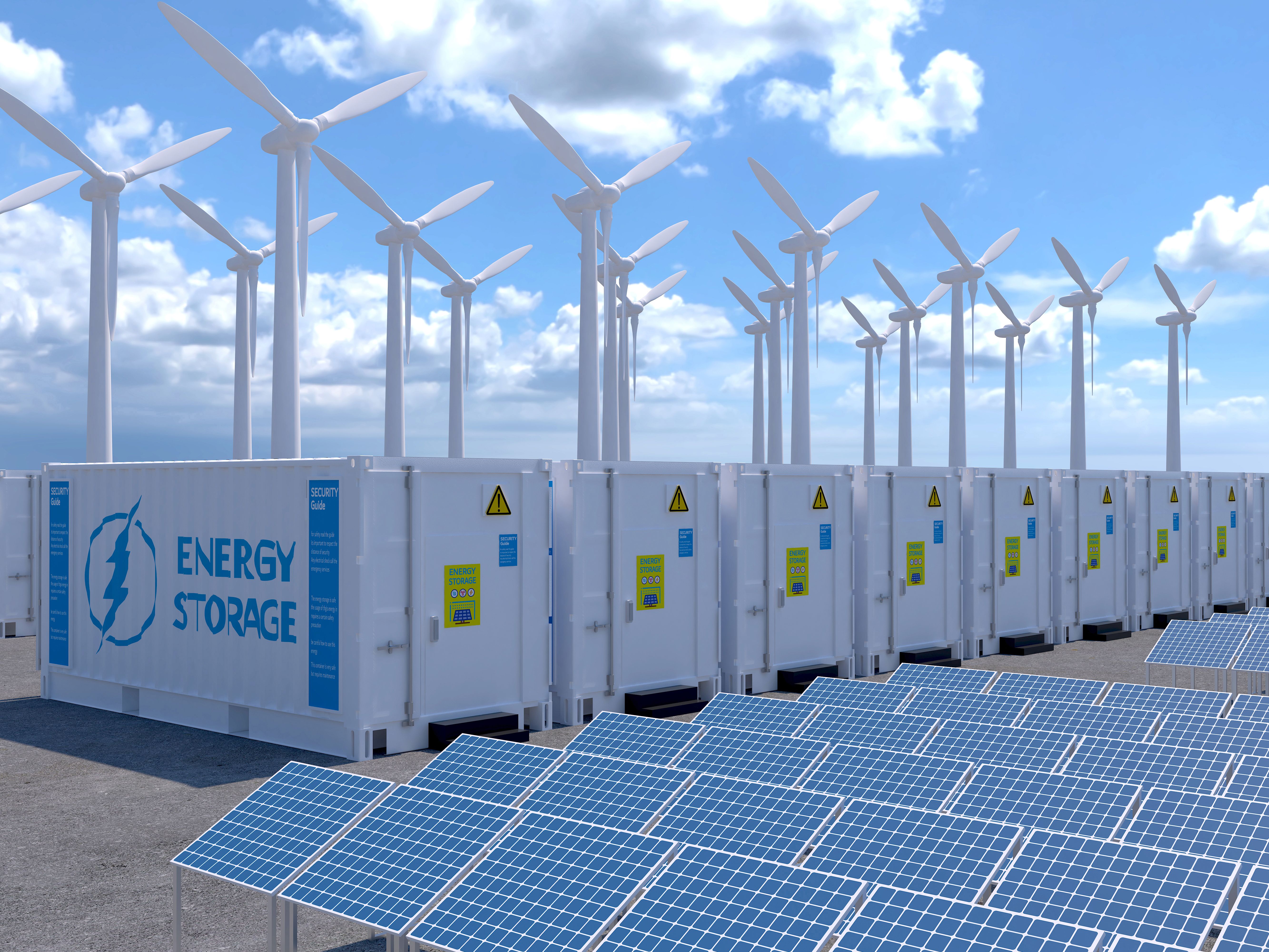
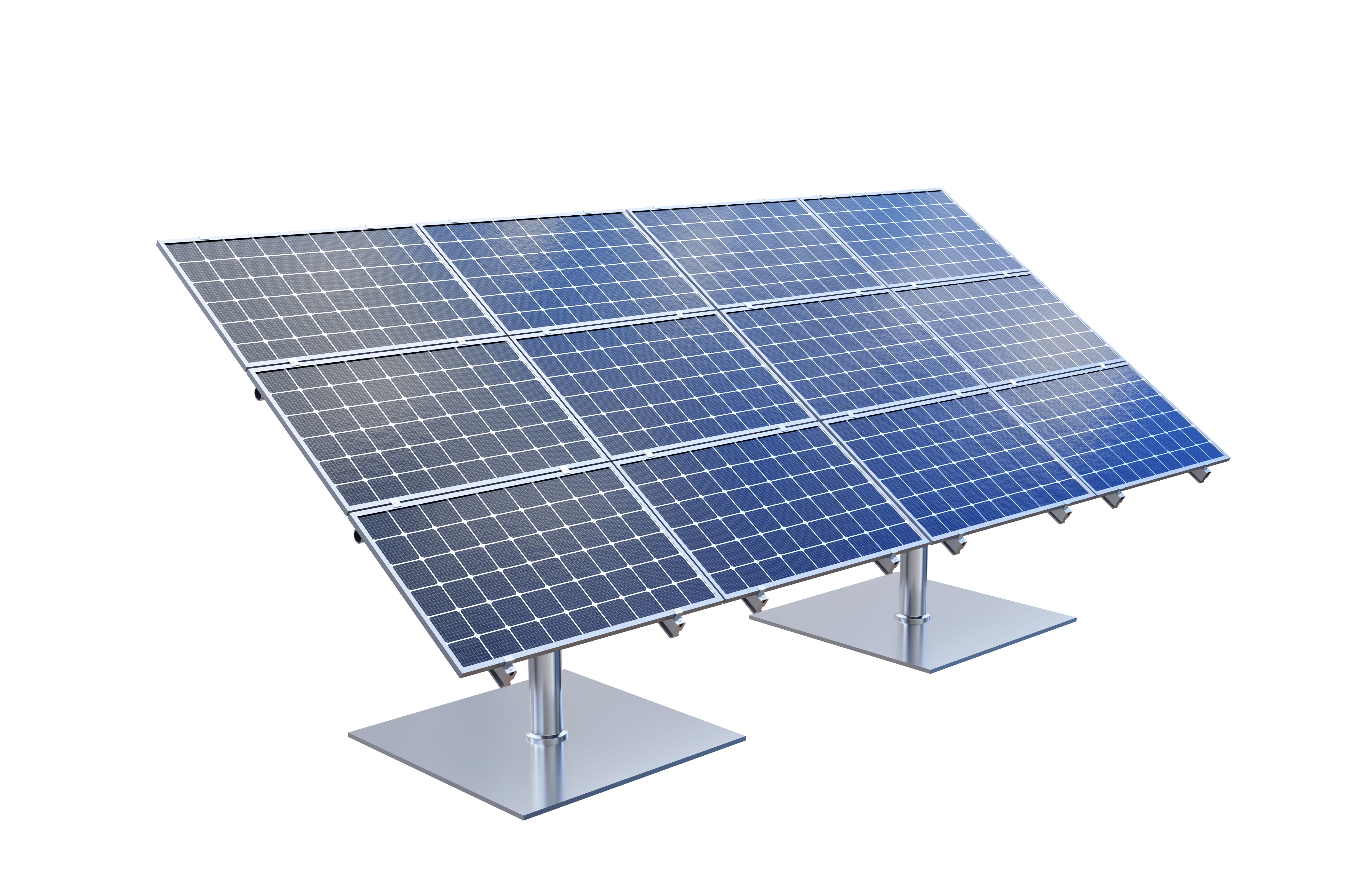
Solar power harnesses energy from the sun using photovoltaic cells. These cells convert sunlight into electricity, providing a clean and efficient power source. Solar panels can be installed on rooftops or in large solar farms.
Advantages of Solar Energy
One of the main benefits of solar power is its abundance and accessibility. Sunlight is available virtually everywhere, making solar panels a versatile option. Additionally, solar energy systems require minimal maintenance and offer long-term savings on electricity bills.
Challenges of Solar Energy
Despite its advantages, solar energy has limitations. Its efficiency depends on sunlight availability, making it less effective in cloudy or rainy regions. Initial installation costs can also be high, although this is offset by long-term savings.
Wind Power
How It Works
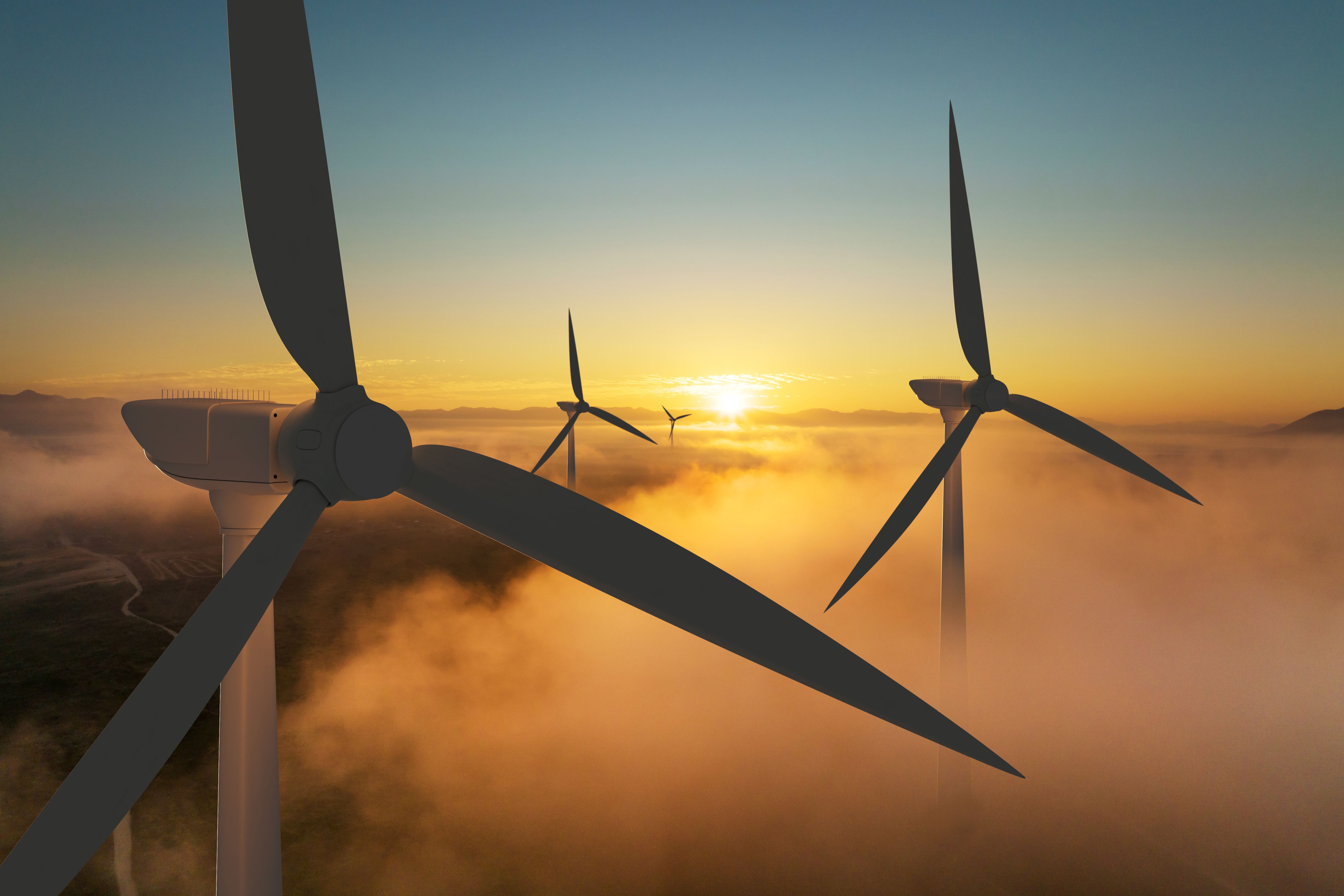
Wind power is generated using wind turbines that convert kinetic energy from the wind into electricity. These turbines are often grouped in wind farms, located in areas with consistent wind patterns.
Advantages of Wind Energy
Wind power is a reliable and efficient energy source, especially in windy areas. It produces no greenhouse gas emissions during operation and can significantly reduce dependence on fossil fuels. Wind farms can also be built on existing agricultural land, providing dual land use.
Challenges of Wind Energy
However, wind power also faces challenges. Wind turbines can be noisy and may impact local wildlife, particularly birds. The visual impact of large wind farms is sometimes considered a drawback by local communities.
Comparing Costs and Efficiency
When comparing costs, both solar and wind power have seen significant decreases in recent years. However, the choice between them often depends on location and specific needs. Solar power may be more suitable for urban areas with less available land, while wind power might be ideal for rural or coastal regions with steady winds.
Conclusion
Both solar and wind power offer viable paths towards a cleaner, more sustainable future. By understanding the unique advantages and challenges of each, individuals and businesses can make informed decisions that align with their environmental goals and regional characteristics.