Exploring the Latest Trends in Australian Clean Energy


Australia's Commitment to Renewable Energy
Australia has been at the forefront of the clean energy revolution, with an increasing commitment to renewable resources. The country's vast landscapes and natural resources provide a perfect backdrop for harnessing solar, wind, and hydro power. As global awareness of climate change grows, Australia is pioneering efforts to reduce carbon emissions and transition to a more sustainable energy future.
Solar Energy: A Bright Future
One of the most significant trends in Australian clean energy is the rapid expansion of solar power. With abundant sunshine, Australia has become a leading solar energy producer, both at the residential and industrial levels. Recent advancements in solar technology have made solar panels more efficient and affordable, encouraging more households and businesses to make the switch.
The government has also initiated several programs to support solar energy development, including subsidies and incentives for solar panel installations. This approach not only boosts energy independence but also creates jobs and stimulates economic growth.
Wind Energy: Harnessing the Breeze
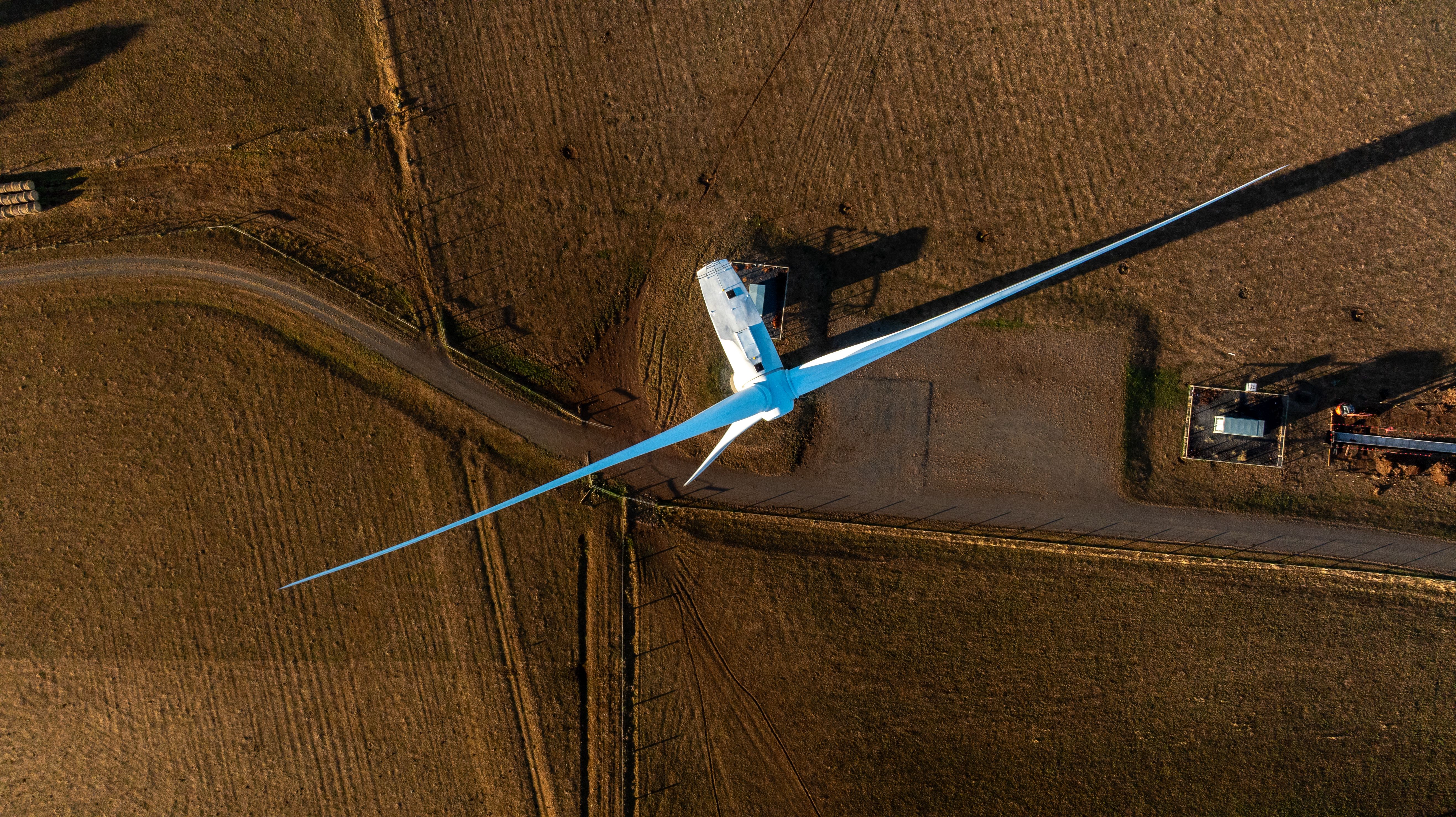
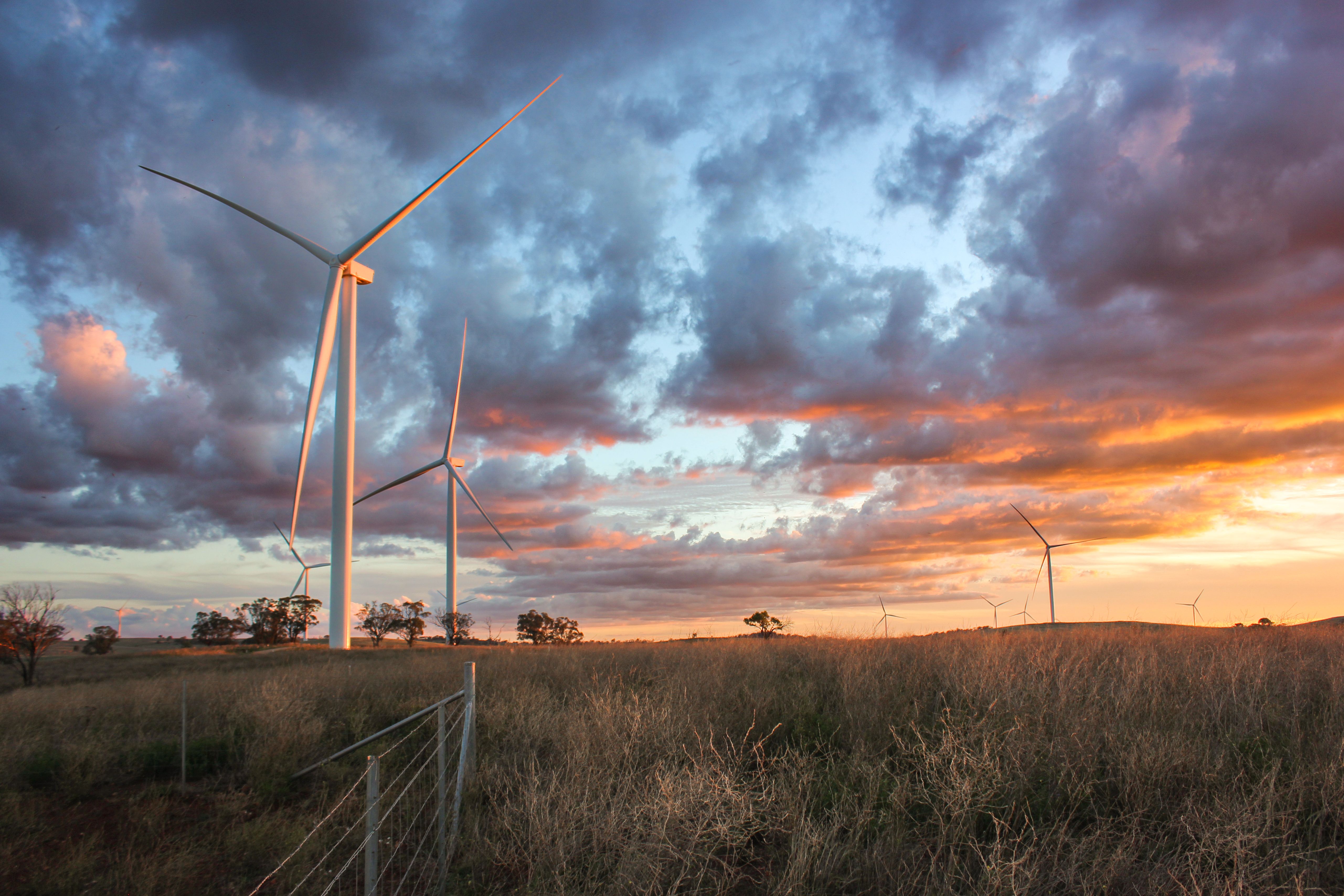
Wind energy is another critical component of Australia's clean energy strategy. The country's wide-open spaces and coastal areas provide ideal conditions for wind farms, which convert kinetic wind energy into electricity. Recent investments in wind energy infrastructure have led to significant growth in this sector.
Australia's commitment to wind energy is evident in its ambitious targets for increasing wind capacity. New projects are continually being developed, aiming to reduce reliance on fossil fuels and lower greenhouse gas emissions.
Hydropower: Tapping into Natural Resources
Hydropower remains a stable and reliable source of clean energy in Australia. By utilizing the country's rivers and reservoirs, hydropower plants generate electricity with minimal environmental impact. Recent innovations in hydropower technology have further enhanced its efficiency and reliability.
While hydropower's growth is not as rapid as solar or wind, it remains an essential part of Australia's energy mix, providing a steady supply of renewable electricity.
Emerging Technologies and Innovations
Australia is also exploring emerging technologies to enhance its clean energy capabilities. Innovations such as energy storage systems, smart grids, and hydrogen energy are gaining traction. These technologies promise to improve energy efficiency and reliability, paving the way for a more integrated and resilient energy system.

Energy storage, in particular, addresses one of the biggest challenges of renewable energy: intermittency. By storing excess energy generated during peak production times, storage systems ensure a consistent supply even when the sun isn't shining or the wind isn't blowing.
Government Policies and International Collaboration
The Australian government plays a crucial role in promoting clean energy through supportive policies and international collaborations. By setting ambitious renewable energy targets and investing in research and development, Australia is positioning itself as a leader in the global clean energy transition.
International partnerships also enhance Australia's clean energy efforts. By collaborating with other countries, Australia can share knowledge and resources, accelerating progress toward a sustainable energy future.
In conclusion, Australia's dedication to clean energy is evident in its investment in solar, wind, and hydropower, as well as its exploration of cutting-edge technologies. As the world moves towards a greener future, Australia stands as a shining example of how innovation and commitment can lead to a sustainable energy revolution.