How to Choose the Right Clean Energy System for Your Home


Understanding Your Energy Needs
When considering a clean energy system for your home, the first step is to understand your energy needs. Begin by assessing your current energy consumption, which can be found on your utility bills. Determine which of your appliances and systems consume the most energy, and identify opportunities for efficiency improvements. This information will help you decide what type and size of clean energy system will best suit your home's requirements.
Types of Clean Energy Systems
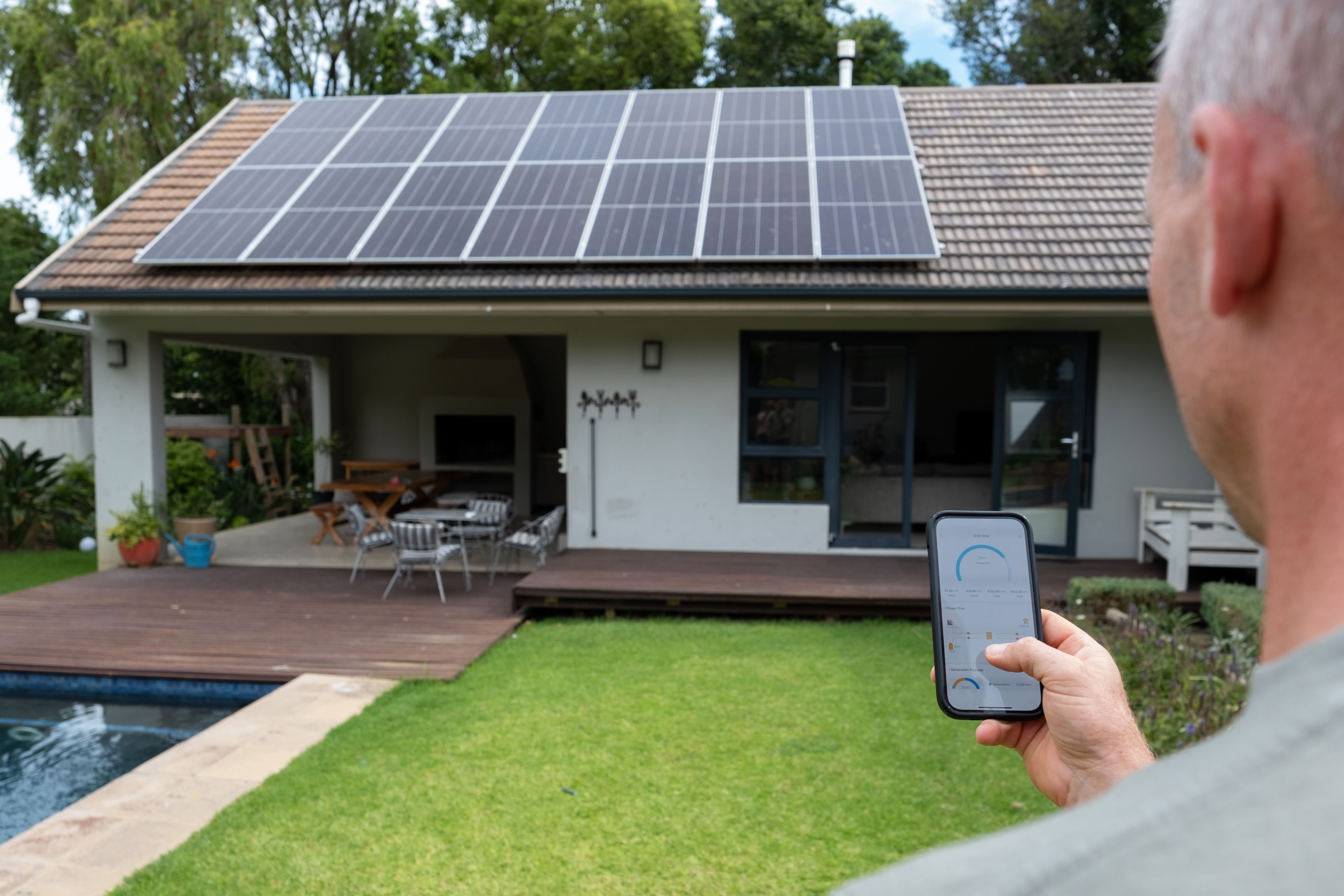
There are several types of clean energy systems available for residential use, including solar, wind, and geothermal. Each has its own set of advantages and considerations. Solar energy systems, for instance, are popular for their ability to harness abundant sunlight and convert it into electricity. Wind energy is another option, ideal for homes in open areas with consistent wind patterns. Geothermal systems, on the other hand, use the stable temperature of the earth to provide heating and cooling.
Evaluating Your Location
Your geographic location plays a significant role in determining the most suitable clean energy system for your home. Solar systems require ample sunlight, so they are most effective in sunny regions. Wind systems need consistent wind speeds, typically found in rural or coastal areas. Geothermal systems are often more site-specific, requiring certain geological conditions. Conducting a site assessment will help you understand which technologies are viable for your location.
Budget Considerations
Budget is a crucial factor in choosing a clean energy system. While the initial investment may be substantial, there are often incentives and rebates available to offset costs. Determine your budget, and explore options for financing if necessary. Consider the long-term savings on energy bills, which can make clean energy systems a worthwhile investment. Comparing different systems and their costs will help you make a more informed decision.
Installation and Maintenance
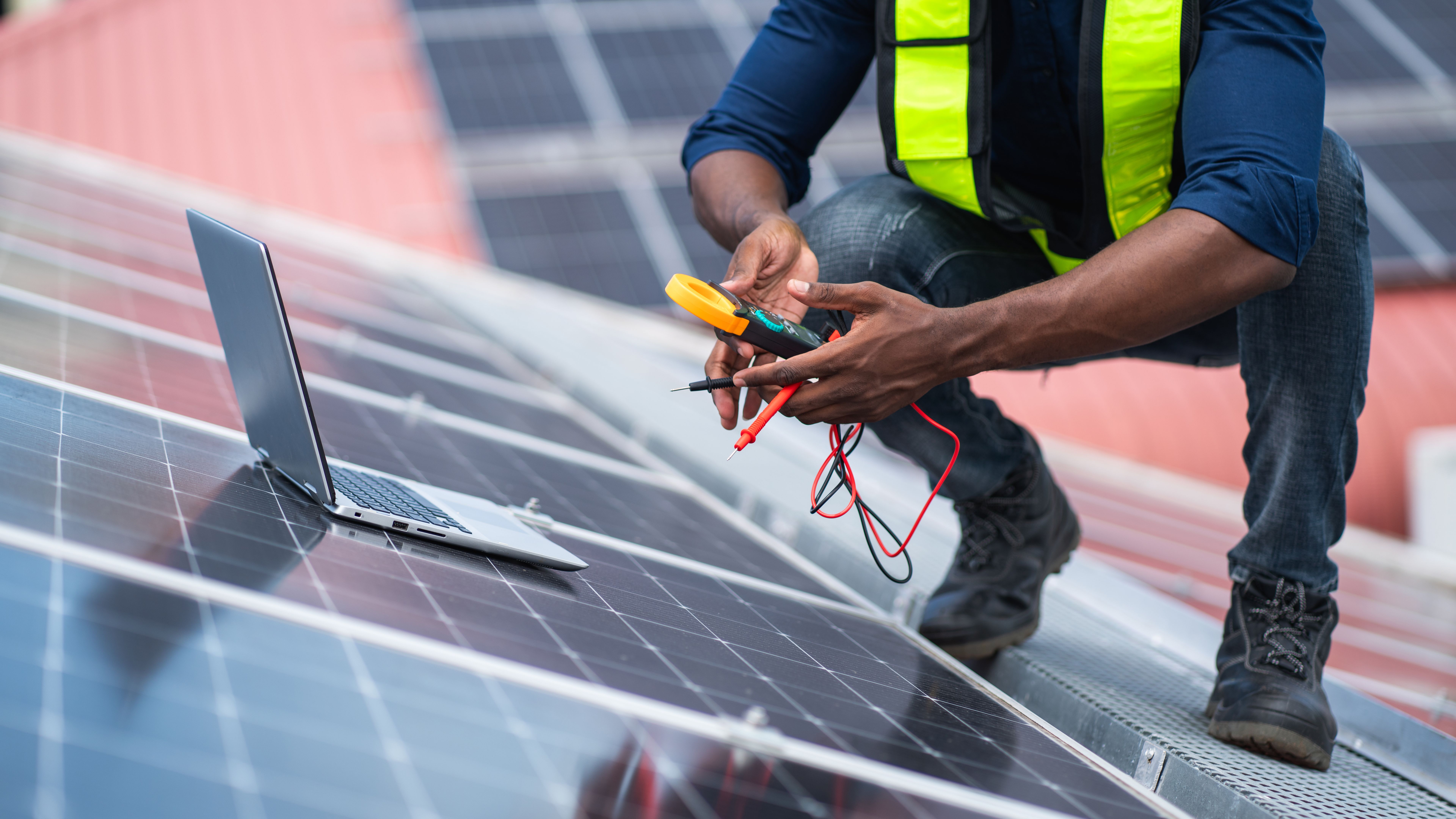
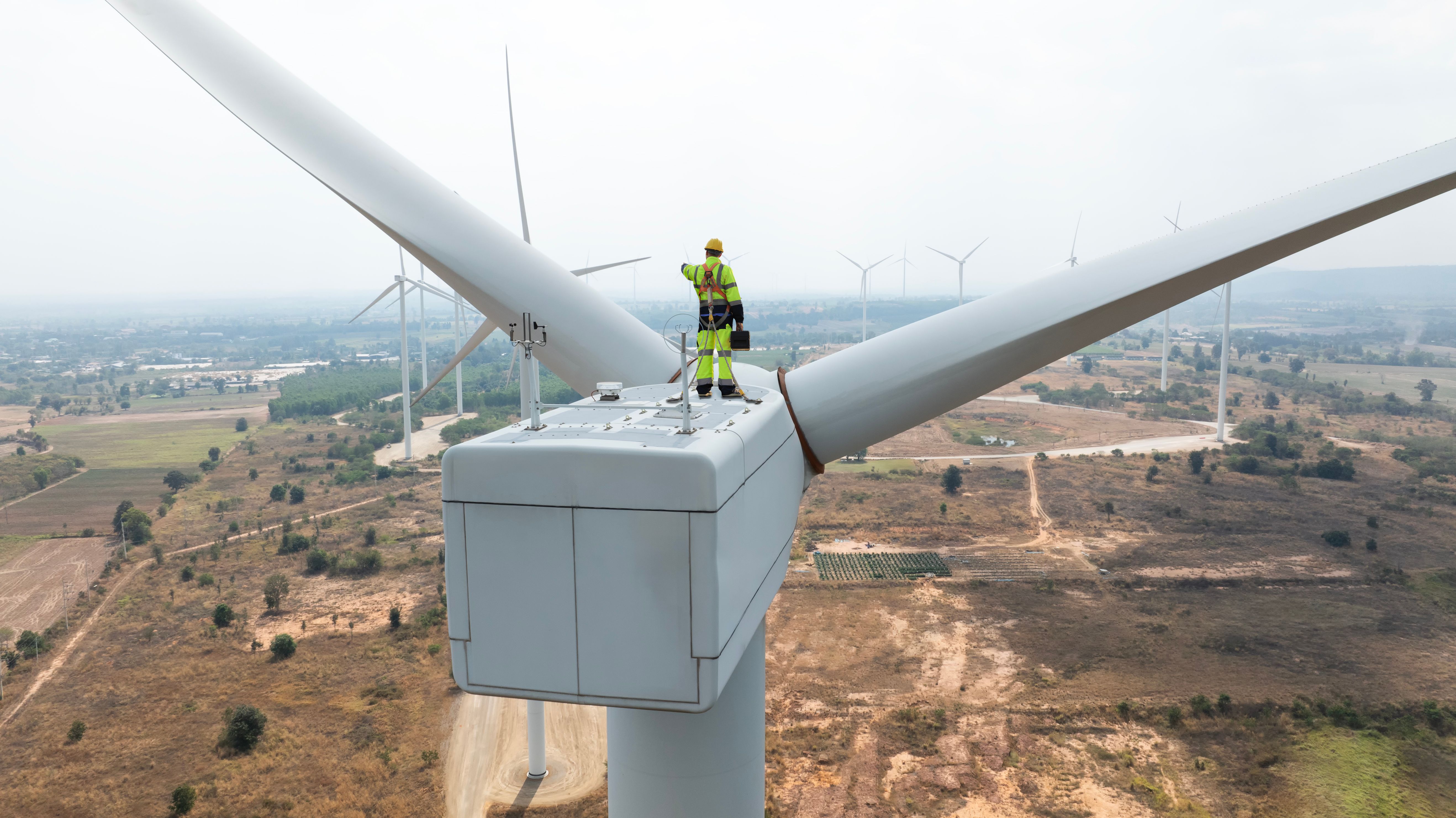
Installation and maintenance requirements vary between clean energy systems. Solar panels, for example, generally require minimal maintenance once installed, whereas wind turbines may need more frequent inspections and upkeep. Consider the complexity of installation and the availability of professional services in your area. Ensure that you choose a reliable and experienced installer to maximize the efficiency and lifespan of your system.
Environmental Impact
One of the main reasons for choosing a clean energy system is to reduce your carbon footprint. Compare the environmental impact of different systems to choose one that aligns with your sustainability goals. Solar panels and wind turbines both offer substantial reductions in greenhouse gas emissions. Geothermal systems also provide significant environmental benefits, particularly in reducing reliance on fossil fuels for heating and cooling.
Future-Proofing Your Investment
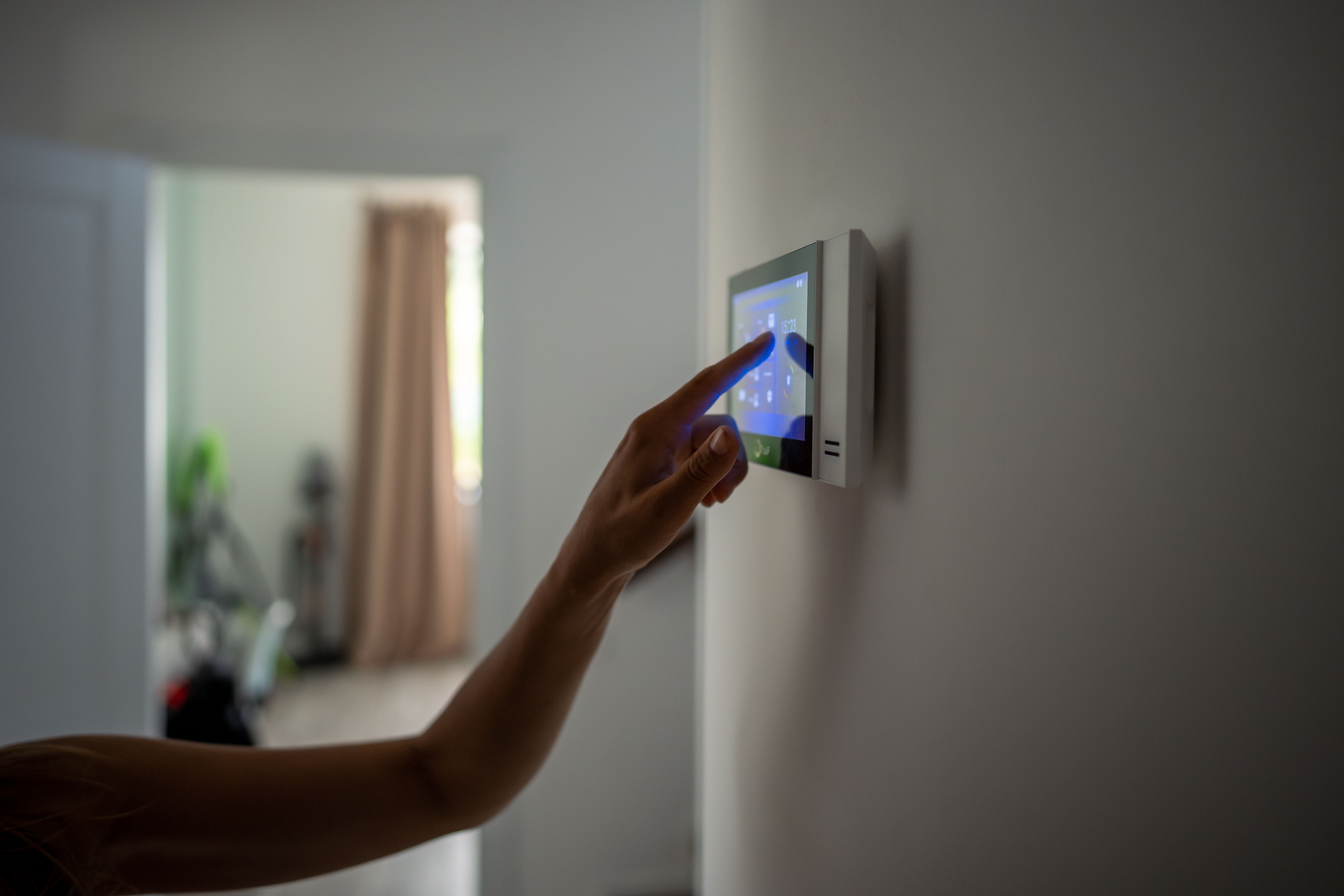
As technology evolves, it's essential to future-proof your clean energy investment. Look for systems that offer scalability and flexibility, allowing you to expand or upgrade as needed. Consider the potential for integrating battery storage or smart home technology to enhance efficiency. Staying informed about advancements in clean energy will ensure that your system remains effective and relevant for years to come.
Making the Final Decision
Ultimately, choosing the right clean energy system for your home involves balancing various factors, including energy needs, location, budget, and environmental impact. Take the time to research and consult with professionals to make an informed decision. By investing in a clean energy system, you are not only enhancing your home's efficiency but also contributing to a more sustainable future.