The Environmental Impact of Clean Energy: A Closer Look


Understanding Clean Energy
Clean energy, including sources like solar, wind, and hydroelectric power, is often heralded as the key to a sustainable future. As the world grapples with climate change, the shift from fossil fuels to renewable energy sources is becoming increasingly important. However, it is essential to examine the environmental impact of these clean technologies to ensure they are as beneficial as they appear.

Benefits of Clean Energy
Clean energy sources offer numerous advantages over traditional fossil fuels. They help reduce greenhouse gas emissions, which are a major contributor to global warming. Additionally, renewable energy sources are inexhaustible, unlike finite fossil fuels. This means they have the potential to provide a long-term solution to the world’s energy needs.
- Reduced Carbon Footprint: Clean energy significantly lowers carbon emissions compared to coal or natural gas.
- Energy Independence: Countries can reduce dependency on imported fuels by utilizing local renewable resources.
- Job Creation: The renewable energy sector is a rapidly growing industry, offering numerous job opportunities.
Challenges and Environmental Concerns
Despite their benefits, clean energy technologies are not without environmental challenges. The production and installation of renewable energy systems can have significant environmental footprints. For instance, the manufacturing of solar panels involves the use of hazardous materials and energy-intensive processes.

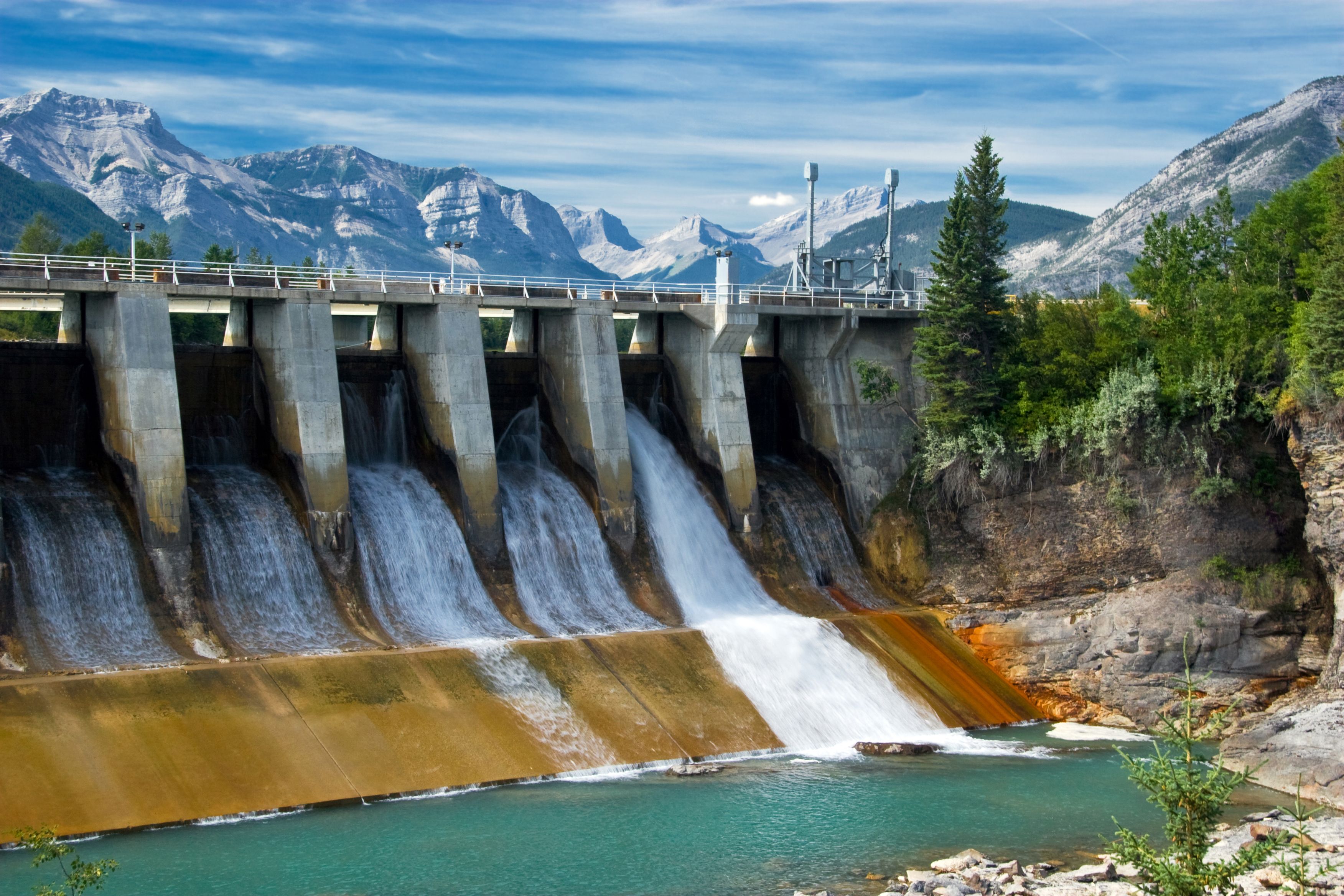
Wind farms, while producing clean energy, can impact local wildlife. Birds and bats are at risk of colliding with turbines, leading to concerns about biodiversity. Additionally, the construction of large-scale hydroelectric dams can disrupt aquatic ecosystems and displace communities.
Balancing Benefits and Impacts
To maximize the benefits of clean energy while minimizing negative impacts, it is crucial to implement sustainable practices. This includes developing technologies that are less resource-intensive and finding ways to reduce waste during production. Moreover, careful site selection and design can mitigate impacts on wildlife and ecosystems.
Government policies and incentives can also play a significant role in encouraging sustainable practices within the clean energy sector. By supporting research and development, governments can help drive innovation and improve the environmental performance of renewable energy technologies.
The Path Forward
As the demand for clean energy continues to grow, it is essential to address the environmental challenges associated with its production and use. By focusing on sustainability and innovation, we can create a future where clean energy not only powers the world but does so in harmony with the environment.
The transition to clean energy is not just an environmental imperative; it is an opportunity for economic growth and technological advancement. By taking a closer look at its impacts, we can ensure that clean energy remains a positive force for change.