The Impact of Seasonal Changes on Solar Energy Production


Understanding Seasonal Changes
Solar energy production is significantly influenced by seasonal changes. As the Earth orbits the sun, variations in sunlight intensity and duration occur, impacting the efficiency of solar panels. Understanding these changes is crucial for optimizing solar energy systems and maximizing their output.
During the summer months, longer days and more direct sunlight result in increased solar energy production. Conversely, winter brings shorter days and a lower solar angle, reducing energy generation. These fluctuations necessitate strategic planning to ensure consistent energy supply throughout the year.
Summer: A Peak Production Period
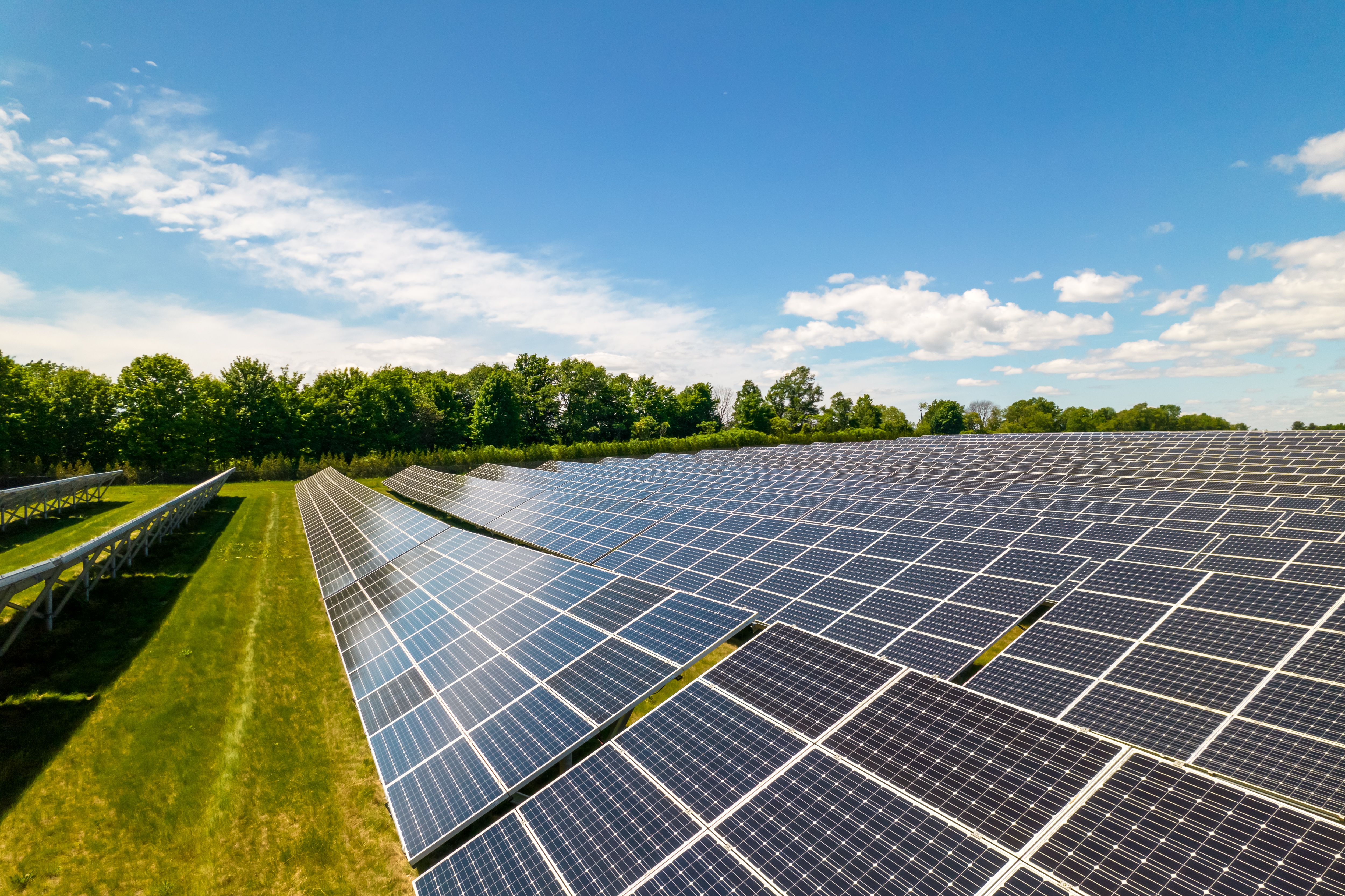
Summer is the peak period for solar energy production. With extended daylight hours and the sun positioned higher in the sky, solar panels receive more direct sunlight. This increased exposure leads to higher energy output, making summer an ideal time for solar power generation.
To capitalize on this peak production, it's essential to consider the angle and positioning of solar panels. Properly angled panels can capture maximum sunlight, enhancing energy efficiency. Additionally, routine maintenance, such as cleaning the panels, ensures optimal performance during this time.
Challenges of Winter Production
Winter presents several challenges for solar energy production. Shorter days and a lower sun angle result in reduced sunlight exposure. Moreover, inclement weather, such as snow and cloud cover, can further decrease energy output.

To mitigate these challenges, energy storage solutions, like batteries, can be employed to store excess energy generated during sunnier periods. This stored energy can then be utilized during the winter months, ensuring a reliable power supply even when production is low.
Strategies for Year-Round Efficiency
Maximizing solar energy production throughout the year requires strategic planning. Here are some effective strategies:
- Optimize panel placement to capture sunlight efficiently.
- Invest in high-quality, weather-resistant panels.
- Incorporate energy storage systems to balance seasonal fluctuations.
By implementing these strategies, solar energy systems can maintain consistent performance, regardless of seasonal changes.

The Role of Technology
Advancements in technology are playing a crucial role in enhancing the efficiency of solar energy systems. Innovations such as bifacial panels, which capture sunlight on both sides, and solar tracking systems, which adjust the panel's position based on the sun's movement, are helping to overcome seasonal challenges.
Moreover, smart grid technology allows for better energy management, facilitating the distribution of solar power where and when it's needed most. As technology continues to evolve, the impact of seasonal changes on solar energy production is expected to diminish, paving the way for more reliable and efficient solar systems.