Top Innovations in Clean Energy Engineering


Renewable Energy Sources
The shift towards renewable energy sources is one of the most significant innovations in clean energy engineering. Technologies harnessing solar, wind, and hydroelectric power have seen substantial advancements, making them more efficient and accessible than ever before.
Solar panels, for instance, have become more efficient due to the development of bifacial panels that capture sunlight from both sides, increasing energy output without requiring additional space.

Wind Energy Advancements
On the wind energy front, larger and more efficient turbines are being developed. Innovations such as floating wind farms allow turbines to be placed in deeper waters where winds are stronger and more consistent.
This expansion into offshore wind farming not only boosts energy production but also reduces the visual impact on landscapes, addressing some public concerns.
Energy Storage Solutions
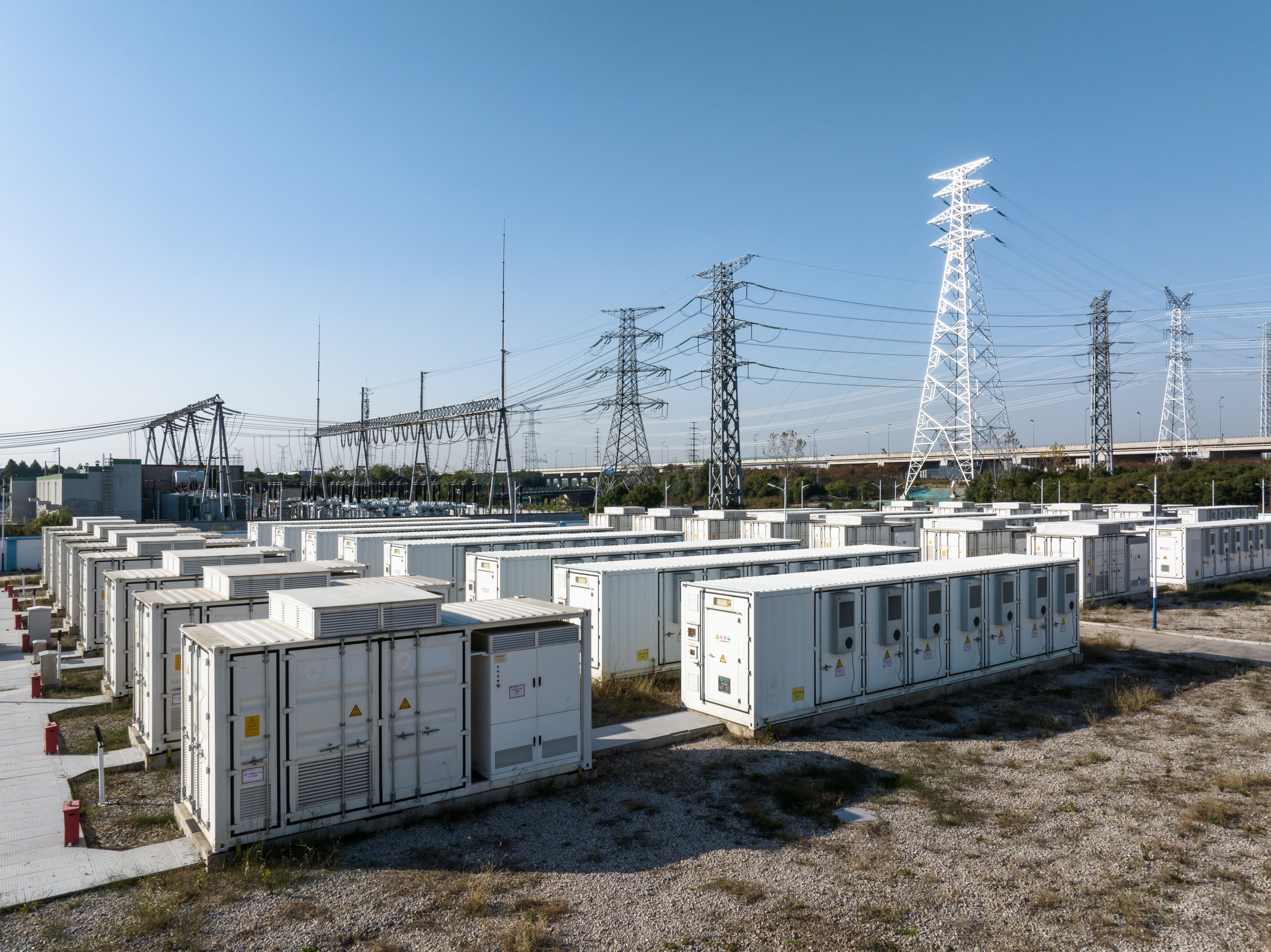
Energy storage is crucial for balancing supply and demand, and recent breakthroughs have made significant strides. Lithium-ion batteries are being optimized, but alternatives like solid-state batteries and flow batteries are gaining attention for their potential to store energy more efficiently and safely.
Grid Management Technologies
Advanced grid management technologies are vital for integrating renewable energy sources. Smart grids utilize AI and machine learning to optimize energy distribution, improve reliability, and reduce waste.
This not only enhances the efficiency of energy use but also allows for real-time monitoring and response to energy demands.
Carbon Capture and Utilization
Carbon capture and utilization (CCU) technologies are at the forefront of reducing greenhouse gas emissions. These innovations capture carbon dioxide from industrial processes and convert it into useful products like fuels, chemicals, or construction materials.

Direct Air Capture
Direct air capture (DAC) is a promising technology that extracts CO2 directly from the atmosphere. This method, although still in its nascent stages, holds immense potential for mitigating climate change impacts.
By deploying these technologies at scale, it is possible to significantly reduce atmospheric CO2 levels, paving the way for a more sustainable future.
Hydrogen Economy
The hydrogen economy is gaining traction as a clean energy solution. Green hydrogen, produced using renewable energy, offers a sustainable alternative to fossil fuels for various applications, including transportation and industrial processes.

Fuel Cell Technology
Fuel cell technology is rapidly evolving, with improvements in efficiency and cost-effectiveness. These cells convert hydrogen into electricity with water as the only byproduct, offering a clean energy source with vast potential.
By integrating fuel cell technology into vehicles and power systems, the transition to a hydrogen-based economy becomes more feasible.