Understanding Clean Energy Solutions: A Comprehensive Guide for West Australia


Western Australia is uniquely positioned to harness a variety of clean energy solutions due to its abundant natural resources. From solar and wind to wave energy, the region is making strides towards a sustainable future. This guide explores the various clean energy options available, their benefits, and how they can be integrated into daily life.

Solar Power: Harnessing the Sun
Solar energy is one of the most accessible and popular forms of clean energy in Western Australia. With an average of over 3,000 hours of sunshine per year, the potential for solar power is immense. Installing solar panels on rooftops is not only a great way to reduce electricity bills but also contributes significantly to reducing carbon emissions.
In addition to residential applications, large-scale solar farms are being developed to supply energy to the grid. This expansion is supported by state incentives and technological advancements that have made solar power more affordable and efficient than ever.
Benefits of Solar Energy
Solar power offers numerous advantages:
- Renewable: Solar energy is a limitless resource.
- Cost-effective: Reduces electricity bills and offers long-term savings.
- Eco-friendly: Significantly lowers carbon footprint.
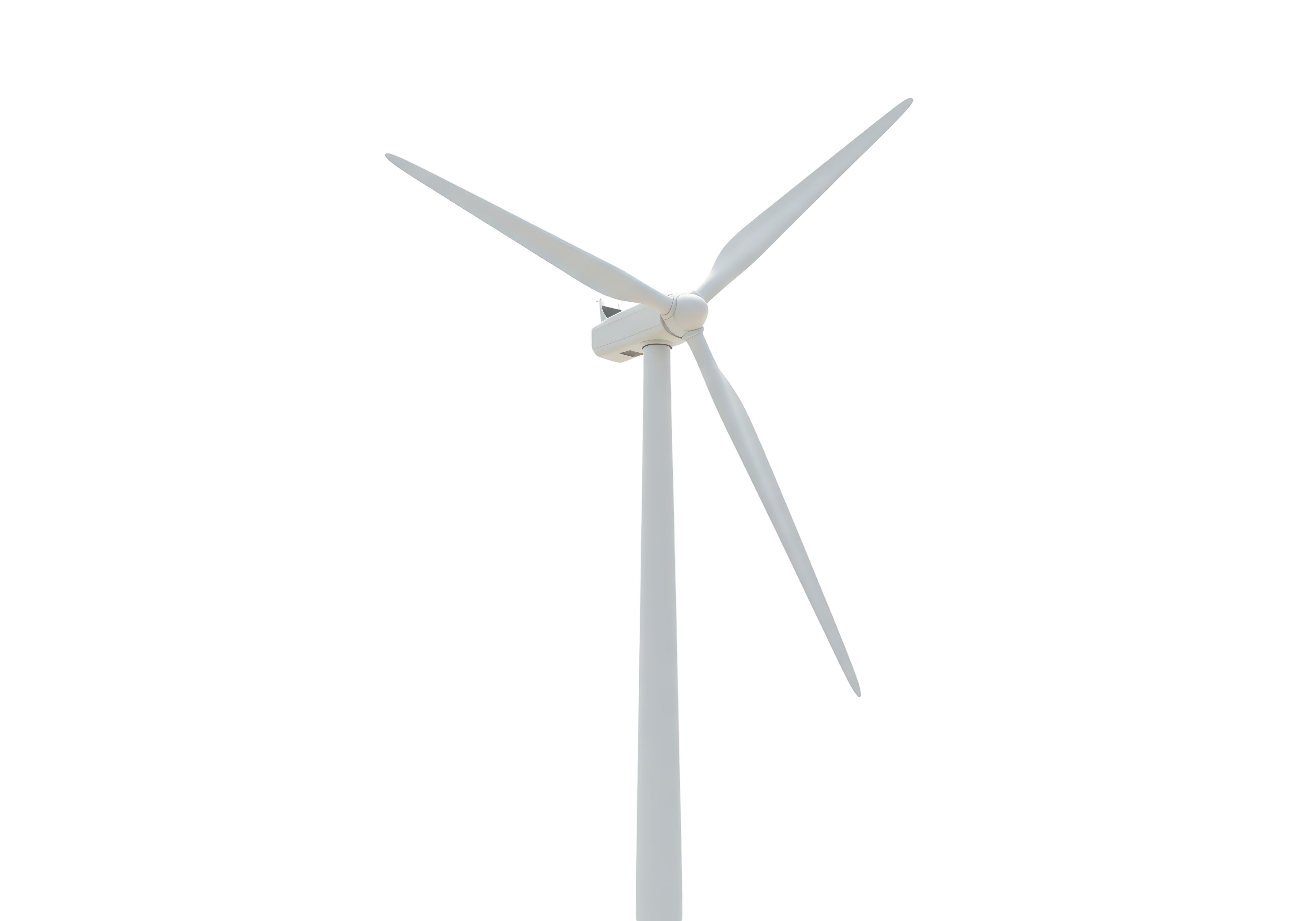
Wind Energy: Capturing the Breeze
Western Australia's coastline provides an ideal setting for wind energy generation. Wind farms are becoming increasingly common, with turbines towering over landscapes to capture the powerful coastal winds. This form of energy is particularly effective in areas that experience consistent wind patterns.
Wind energy is highly efficient and can be used in conjunction with other renewable sources to create a balanced and reliable energy supply. The state government continues to support the growth of wind energy through policy and infrastructure investments.
Advantages of Wind Power
Wind energy is beneficial for several reasons:
- Sustainable: Wind is an inexhaustible resource.
- Low operational costs: Once established, wind farms require minimal maintenance.
- Scalable: Can be expanded to meet increasing energy demands.

Wave Energy: Tapping into Ocean Power
Wave energy is an emerging technology with great potential in Western Australia. The state’s extensive coastline offers a prime opportunity to harness ocean waves for electricity generation. Although still in developmental stages, wave energy projects are being explored to complement existing renewable sources.
The technology involves capturing the energy from ocean surface waves and converting it into electricity. This innovative approach could provide a consistent power supply, especially in coastal areas where wave activity is high.
Potential of Wave Energy
Wave energy offers unique benefits:
- Consistent: Provides a steady energy output.
- Innovative: Represents a new frontier in renewable energy.
- Complementary: Works well with other renewable sources.
Integrating Clean Energy Solutions
Integrating these clean energy solutions into the energy grid requires a coordinated effort across various sectors. Government initiatives, private investments, and community support are crucial in driving the transition towards a sustainable energy future in Western Australia.
As technology continues to evolve, the cost of clean energy solutions is expected to decrease, making them more accessible to individuals and businesses alike. By embracing these technologies, Western Australia can lead the way in renewable energy adoption and reduce its carbon footprint significantly.