Understanding the Latest Innovations in Clean Energy Technology


The Rise of Renewable Energy Sources
The global shift towards clean energy technology has gained momentum as countries strive to reduce carbon footprints and combat climate change. Among the most significant innovations are advancements in renewable energy sources such as solar, wind, and hydropower. These technologies have become more efficient and cost-effective, making them viable alternatives to traditional fossil fuels.
Solar energy has seen remarkable growth due to improvements in photovoltaic cell efficiency and decreasing manufacturing costs. Wind energy technology has also advanced, with modern turbines capable of generating more power at lower wind speeds. Meanwhile, hydropower remains a reliable and sustainable source, with innovations focusing on minimizing environmental impact.

Energy Storage Solutions
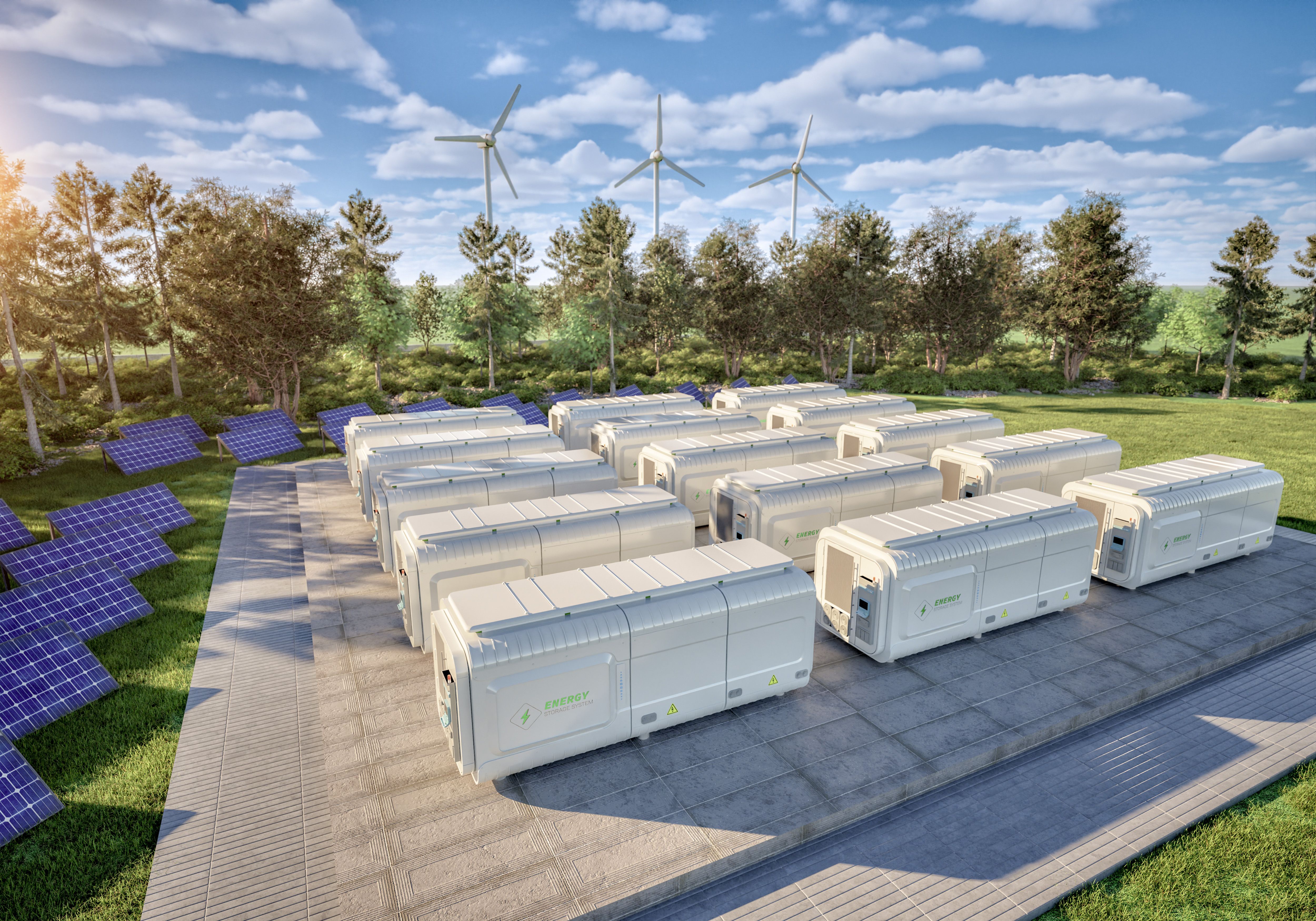
One of the critical challenges in clean energy technology is energy storage. Innovations in this area are crucial for balancing supply and demand, especially with intermittent sources like solar and wind. Advanced battery technologies, such as lithium-ion and solid-state batteries, have made significant strides in recent years.
These batteries offer higher energy density, longer lifespans, and improved safety features. Additionally, new storage solutions like pumped hydro and compressed air are being explored to provide large-scale energy storage capabilities. These innovations are essential for stabilizing the grid and ensuring a consistent energy supply.
Smart Grids and Energy Management
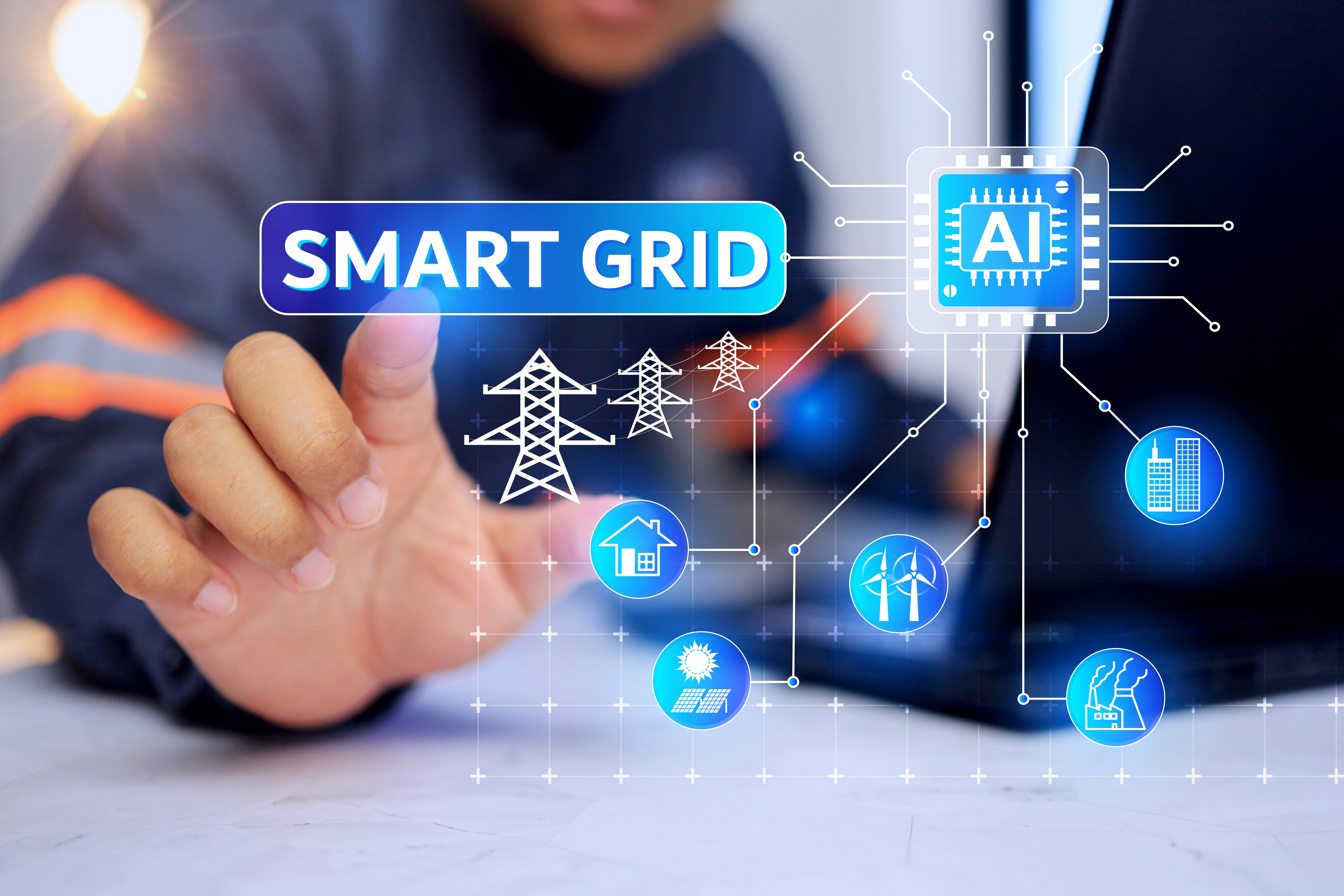
Smart grids represent a transformative approach to electricity distribution, incorporating digital technology to enhance the efficiency and reliability of energy systems. By enabling two-way communication between consumers and utility providers, smart grids facilitate better energy management and integration of renewable sources.
Advanced metering infrastructure and real-time monitoring systems provide valuable data for optimizing energy consumption. These technologies empower consumers to make informed decisions about their energy use, ultimately leading to reduced costs and lower environmental impact.
Emerging Technologies in Clean Energy
Beyond traditional renewable sources, emerging technologies are paving the way for a cleaner energy future. Hydrogen fuel cells are gaining attention as a sustainable solution for transportation and industrial applications. By producing energy through chemical reactions, hydrogen fuel cells emit only water vapor as a byproduct.
Another promising technology is carbon capture and storage (CCS), which aims to reduce carbon emissions from industrial processes. By capturing CO2 before it enters the atmosphere and storing it underground, CCS can significantly mitigate the impact of fossil fuels while cleaner alternatives are developed.

The Role of Policy and Investment
Government policies and investment play a crucial role in advancing clean energy technologies. Incentives such as tax credits, subsidies, and research funding can accelerate the development and adoption of innovative solutions. Public-private partnerships are also essential for driving large-scale projects and infrastructure development.
Globally, many countries have set ambitious renewable energy targets and are implementing policies to support these goals. By fostering a supportive regulatory environment, governments can create a sustainable energy future that benefits both the economy and the planet.

Future Prospects and Challenges
While the advancements in clean energy technology are promising, several challenges remain. Integrating new technologies into existing infrastructure requires significant investment and coordination. Additionally, ensuring equitable access to clean energy solutions is vital for addressing global energy inequality.
Despite these challenges, the future of clean energy technology is bright. Continuous innovation, coupled with supportive policies and investment, will drive the transition towards a sustainable energy landscape. As technology evolves, the potential for a cleaner, greener future becomes increasingly attainable.