Understanding West Australia's Clean Energy Regulations


Introduction to Clean Energy Regulations
Western Australia is making significant strides towards a sustainable future through its clean energy regulations. These guidelines are designed to reduce carbon emissions and promote the use of renewable energy sources. Understanding these regulations is crucial for businesses and individuals aiming to align with environmental goals and contribute to a greener planet.

The Foundation of Clean Energy Policies
The foundation of Western Australia's clean energy regulations lies in its commitment to international agreements and local sustainability targets. The state government has set ambitious goals to increase the percentage of energy derived from renewable sources, striving for a more sustainable and eco-friendly energy grid.
Key Regulatory Frameworks
Several key regulatory frameworks guide the clean energy sector in Western Australia. These include the Renewable Energy Target (RET), which mandates a specific percentage of electricity to come from renewable sources, and the Emissions Reduction Fund, which offers incentives for businesses to lower their carbon footprints.

Impact on Businesses
Businesses in Western Australia are encouraged to adopt clean energy practices to comply with these regulations. Companies can benefit from various incentives, such as tax rebates and grants, which help offset the costs of transitioning to renewable energy systems. Adopting these practices not only ensures compliance but also enhances corporate social responsibility.
Supporting Small and Medium Enterprises
Small and medium enterprises (SMEs) play a critical role in the clean energy transition. The government provides support in the form of educational resources and financial assistance to help SMEs integrate sustainable energy solutions into their operations. This support is vital for creating a widespread impact across different sectors.
Role of Technology in Clean Energy
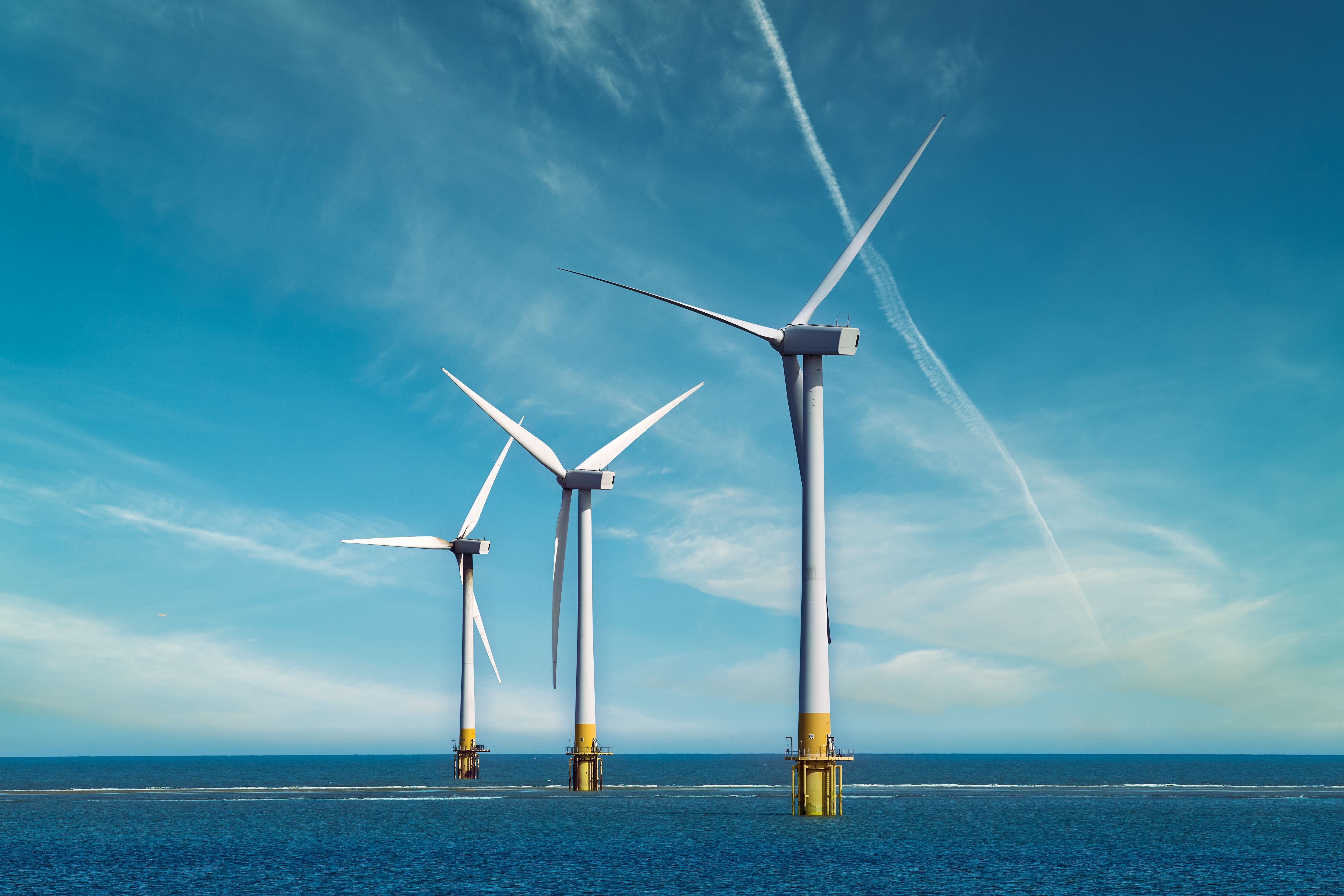
Technology is a key enabler in advancing clean energy initiatives. Innovations such as smart grids, energy storage solutions, and efficient solar panels are driving the shift towards renewable energy. These technologies not only enhance energy efficiency but also reduce costs in the long term.
Challenges and Opportunities
While the transition to clean energy presents challenges, such as initial high costs and the need for infrastructure development, it also offers numerous opportunities. Businesses investing in renewable energy can gain a competitive edge, attract environmentally conscious consumers, and prepare for future regulatory changes.
Future Prospects
The future of clean energy in Western Australia looks promising. With continued investment and innovation, the state aims to achieve its sustainability targets and become a leader in renewable energy production. This commitment not only benefits the environment but also boosts economic growth by creating new jobs in the clean energy sector.
Conclusion
Understanding and complying with Western Australia's clean energy regulations is essential for anyone looking to contribute to a sustainable future. By embracing these guidelines, businesses, and individuals can play a pivotal role in reducing carbon emissions and promoting a cleaner, greener planet for future generations.